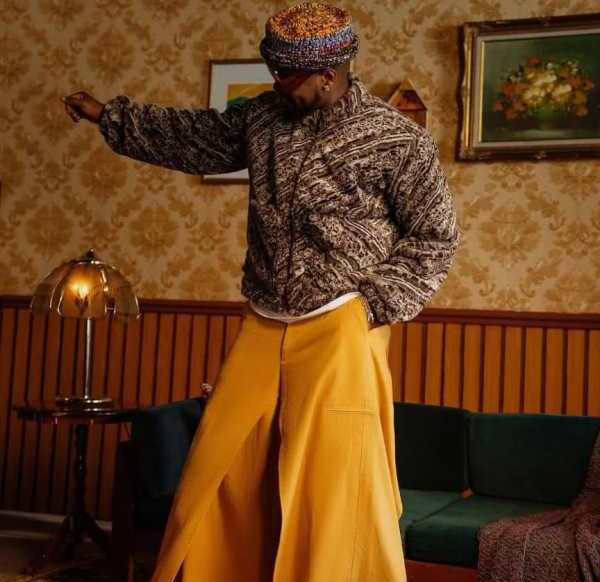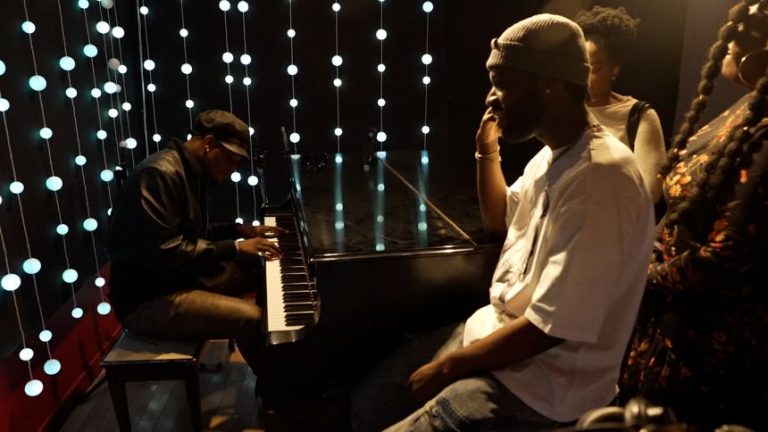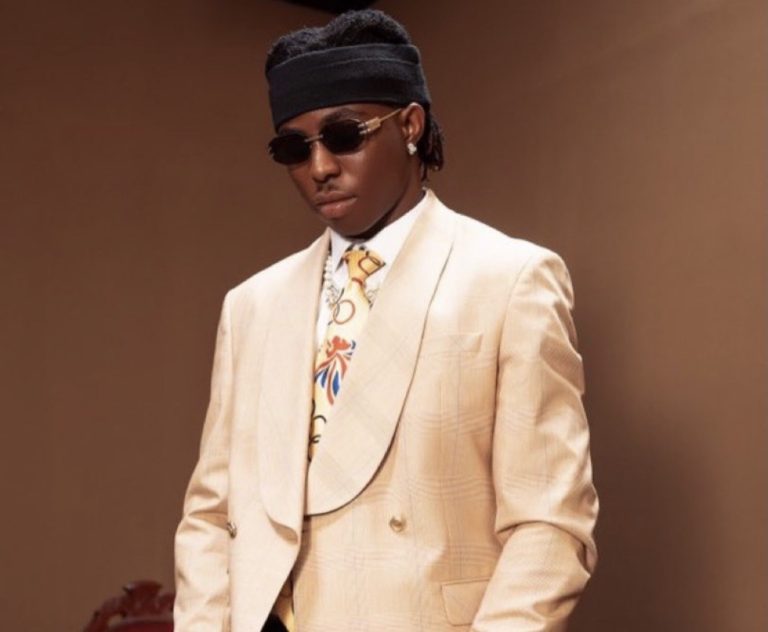
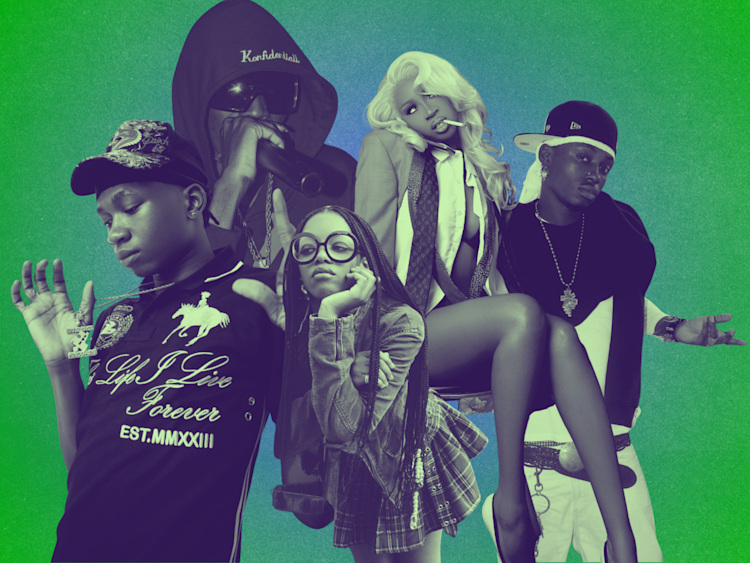
Nigeria’s music industry continues to expand beyond the biggest Afrobeats names, with a growing group of underground artists developing sounds that refuse to fit neatly into one genre.
A new feature from The FADER has highlighted 10 artists currently making an impact within Nigeria’s underground music scene, pointing to a generation drawing inspiration from Afropop, hip-hop, R&B, punk, hyperpop, Fuji and other sounds. �
The Fader
The development reflects the increasingly diverse direction of Nigerian music, where emerging artists are experimenting with different sounds while maintaining connections to Nigerian culture and everyday experiences.
A scene moving beyond traditional boundariesAccording to The FADER, Nigeria’s current underground movement has been building momentum since the middle of the 2020s, with several artists releasing music that captures the experiences of young Nigerians.
The scene has also benefited from breakthrough moments involving artists such as Mavo and Zaylevelten, whose growing profiles and collaborations have helped bring more attention to underground music. �
The Fader
Rather than following one particular formula, many of these artists are creating individual sounds that combine influences from different musical worlds.
10 artists to watch
Among the artists highlighted by The FADER are Danpapa GTA, scottyolorin, Egertton, Kobilou, Luwa.Mp4, Indi, SSSoundGawd, onoola-sama, Monochrome and BLNDE.
Danpapa GTA
Producer and recording artist Danpapa GTA has developed a sound that connects elements of older Nigerian music with contemporary production. His recent work demonstrates an interest in combining traditional influences with modern street sounds.
scottyolorin
scottyolorin has experienced a rapid rise over the past two years. His releases, including his 2026 mixtape OLORIN PACK, have helped establish him as one of the notable young names coming from Nigeria’s underground scene.
Egertton
Benin based artist Egertton brings punk and hip-hop influences together with elements connected to his Nigerian background. His music has developed a distinctive and energetic identity.
Kobilou
Kobilou has balanced his university studies with his music career while building a growing following. His collaboration on “GLACIER GIRL” has also helped increase his visibility within the current underground movement.
Luwa.Mp4
Ibadan born Luwa.Mp4 describes his sound as Cyber-Phunk, bringing together influences from punk, hyperpop, trap and Afropop. His approach demonstrates how artists outside the traditional Afrobeats formula are experimenting with new possibilities.
Indi
Singer Indi has developed a sound combining her vocals with modern, electronic influenced production. Her music explores the emotions and experiences of young adulthood while maintaining a distinctive sonic identity.
SSSoundGawd
Originally known as a DJ and producer, SSSoundGawd has expanded into recording and gained attention through collaborations within Nigeria’s emerging music community.
onoola-samaonoola
sama is another artist challenging genre boundaries, moving between hip-hop, R&B and Fuji influences. Her music reflects the increasingly fluid nature of Nigeria’s underground scene.
Monochrome
Based in Abuja, Monochrome combines trap, amapiano and R&B while developing a strong visual and musical identity. His collaborations have also helped him become one of the names to watch within the Abuja underground movement.
BLNDE
BLNDE has built momentum since the success of “Omo To Sexy” and later released her debut project BLNDE 4 PRESIDENT. Her growing profile demonstrates the increasing opportunities available to artists developing outside the traditional mainstream route.
What’s next for Nigerian underground music?
The rise of these artists shows that Nigerian music is becoming increasingly difficult to define by a single sound.
Afrobeats remains hugely influential, but younger artists are combining it with sounds from hip-hop, punk, R&B, amapiano, electronic music and traditional Nigerian genres.For fans, this creates an expanding pool of artists to discover. For the artists themselves, the growing attention could provide opportunities to reach audiences beyond Nigeria and introduce even more experimental sounds to the global music scene.
The Nigerian underground music scene may not yet have the same mainstream visibility as the country’s biggest stars, but the current movement suggests that a new generation is steadily building its own space.
Source: The FADER, October 5, 2026. �The Fader
About the Author